Table of Contents
ToggleINTRODUCTION:
Saree draping styles for Tamil Nadu brides play an important role in creating a beautiful and traditional wedding look. From the elegant Nivi drape to the ceremonial Madisar style, each draping method reflects South Indian culture, heritage, and individuality. A perfectly draped saree can transform a bride’s appearance, adding grace, confidence, and timeless charm to her wedding day. Whether you prefer a classic style or a modern interpretation, choosing the right drape helps create a memorable bridal look..
At Asifa Bridal Studio in Pondicherry, saree draping is one of our most requested services. Here’s our complete guide to the most popular styles for Tamil Nadu brides.


Style 1 — Nivi Draping (The Classic)
- Origin: Andhra Pradesh, now the most widely used style across South India.
- How it’s done: The saree is tucked into the petticoat at the front, pleated neatly in the centre, and the pallu is draped over the left shoulder.
- Best for: All saree types — silk, chiffon, georgette, cotton. All body types.
- Why brides choose it: It’s elegant, timeless, and flatters every body type. It’s the most photographed draping style and works beautifully for both indoor and outdoor ceremonies.
- Asifa’s tip: For a bridal look, add extra pleats at the front for a fuller, more opulent appearance. Pin the pallu at the shoulder for security throughout the day.
Style 2 — Madisar Draping (Tamil Brahmin Tradition)
- Origin: Tamil Brahmin community. Used for traditional ceremonies and temple weddings.
- How it’s done: The saree is draped between the legs and across the body in a specific ceremonial manner. It requires a longer saree (9 yards) and considerable expertise to drape correctly.
- Best for: Traditional Tamil Brahmin weddings, temple ceremonies, religious functions.
- Why brides choose it: It represents cultural heritage and tradition. It’s considered highly auspicious in Tamil Brahmin communities.
- Asifa’s tip: Always do a Madisar draping trial well in advance, as it takes significantly more time than other styles.

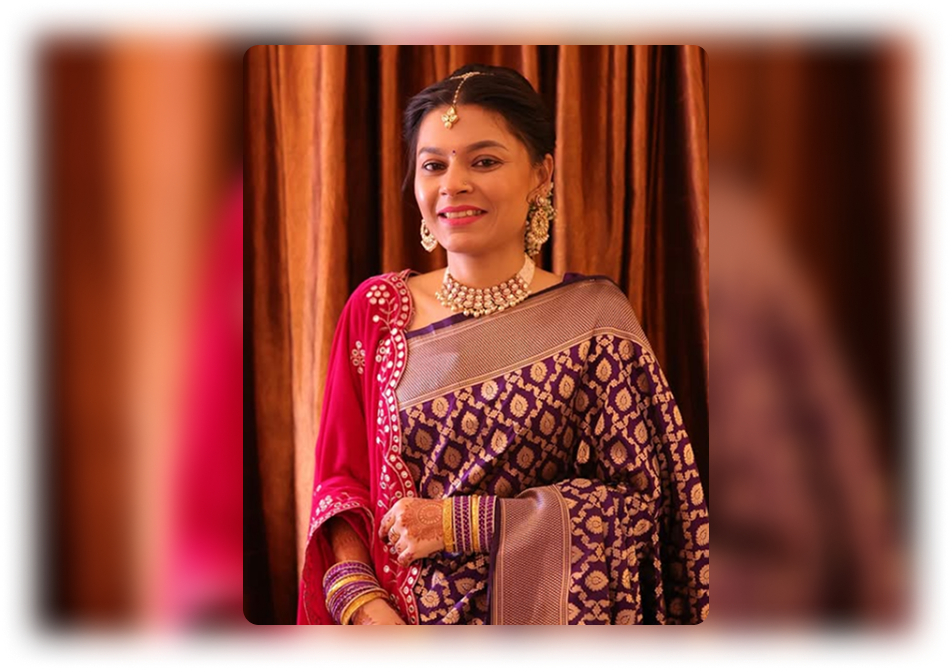
Style 3 — Bengali Style Draping
- Origin: West Bengal, popular among Bengali brides and increasingly chosen by South Indian brides for its elegance.
- How it’s done: No pleats at the front. The saree is wrapped once around the body, draped across the chest, and the pallu is brought forward over the left shoulder and spread dramatically.
- Best for: Tussar silk, Banarasi, lightweight silk sarees. Tall, slim body types.
- Why brides choose it: It looks incredibly graceful and regal. The pallu spread creates a dramatic visual effect, especially in photographs.
Style 4 — Kasavu / Kerala Style Draping
- Origin: Kerala. The traditional style for Kerala brides wearing Kasavu (cream and gold) sarees.
- How it’s done: Similar to Nivi, but the pallu is spread wider and tucked differently. The golden border is highlighted prominently.
- Best for: Kasavu sarees, Onam celebrations, Kerala wedding ceremonies.
- Why brides choose it: The Kasavu saree is a symbol of Kerala heritage, and this draping style perfectly complements its golden border.


Style 5 — Gujarati / Seedha Pallu Style
- Origin: Gujarat. Increasingly popular with North and South Indian brides for its elegant, forward-facing pallu.
- How it’s done: The pallu is brought forward over the right shoulder (instead of the traditional left), pinned at the front, and spread across the chest.
- Best for: Heavyweight Banarasi and embroidered sarees. Shows off embroidered pallu work beautifully.
- Why brides choose it: The pallu is displayed prominently at the front — perfect for sarees with heavy embroidery or zari work you want to showcase.
Saree Draping Tips from Asifa Bridal Studio
- Always get a trial draping session before the wedding day.
- Use heavy-duty safety pins — not regular ones.
- Match your petticoat colour to the saree base for a seamless look.
- Consider your venue: outdoor venues call for more secure draping.
- Tell your draper about your height, body type, and how much movement you’ll be doing (especially if you’re dancing).
- For temple weddings, always check if there are dress code requirements.
Frequently Asked Questions
Q: How long does saree draping take?
A: Standard Nivi draping takes 20–30 minutes. Madisar draping takes 45–60 minutes. Always factor this into your wedding morning timeline.
Q: Will the saree stay in place all day?
A: With professional draping and high-quality pins placed at key positions, yes. At Asifa Bridal Studio, we use a strategic pinning technique that ensures the saree stays in place through ceremonies, photography, and even light dancing.
Q: Can you drape heavy Kanjeevaram sarees?
A: Absolutely. We specialise in draping heavyweight Kanjeevaram silks, which require different pinning and support techniques compared to lighter fabrics.
Conclusion
The right saree draping style can elevate your entire bridal look. At Asifa Bridal Studio, we’ve draped thousands of sarees for brides across Pondicherry and Tamil Nadu. Book your bridal draping consultation today and let us find the perfect style for your body type, saree, and wedding occasion..